
If you’re one of the millions of Americans suffering from Temporomandibular Joint (TMJ) disorders, you’re likely no stranger to pain and discomfort in your jaw, face, and neck. TMJ disorders can cause a range of symptoms, from mild discomfort to debilitating pain, and affect women more frequently than men.
Navigating the cost of TMJ treatment can be daunting, especially without insurance coverage. Treatment costs vary dramatically, ranging from a few hundred dollars for conservative approaches to tens of thousands for surgical interventions. Understanding the financial aspects of TMJ treatment is crucial for making informed decisions about your care.
Key Takeaways
- TMJ disorders affect up to 33 million Americans, with women being more frequently affected.
- Treatment costs can range from a few hundred to tens of thousands of dollars.
- Understanding costs is crucial for patients without insurance.
- The article will cover cost ranges, payment options, and expense management strategies.
- Readers will gain insights into navigating TMJ treatment expenses.
- Women are disproportionately affected by TMJ disorders.
Understanding TMJ Disorders and Treatment Needs
Temporomandibular joint (TMJ) disorders can significantly impact your quality of life, making it essential to understand the available treatment options.
What is TMJ Disorder?
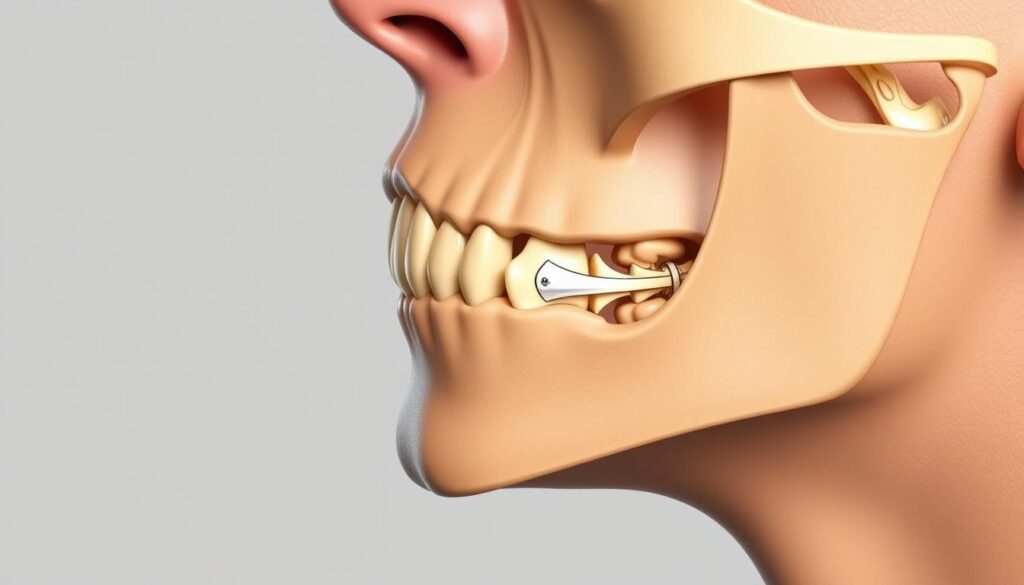
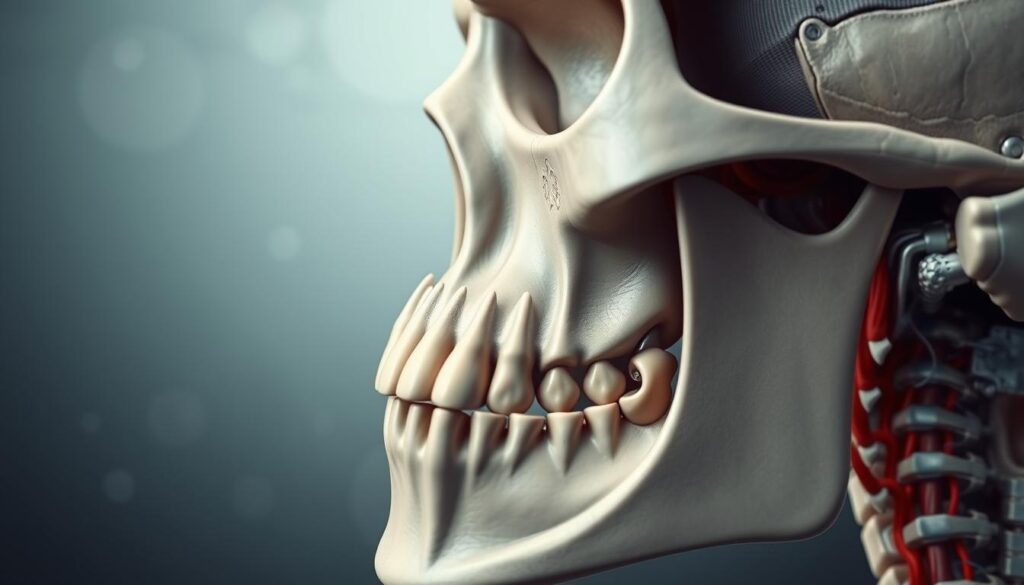
TMJ disorder refers to a condition affecting the temporomandibular joint, which connects the jawbone to the skull. This condition can cause pain and discomfort in the jaw, face, and surrounding areas. Conservative treatments are usually recommended first.
When Surgery Becomes Necessary
Surgery is typically considered only after conservative treatments have failed to provide relief. According to the National Institutes of Health, conservative, reversible treatment is recommended for TMJ due to the limited understanding of the condition. Persistent, debilitating pain that significantly impacts quality of life often becomes the tipping point for considering surgical options. As stated by a medical professional,
“Surgery should be a last resort, undertaken after thorough consultation with specialists and careful consideration of both medical and financial factors.”
The decision to pursue surgery should be made after exhausting non-surgical treatment options, including lifestyle modifications, physical therapy, medications, and oral appliances. Specific conditions that might necessitate surgical intervention include structural problems in the joint, severe disc displacement, or significant joint degeneration.
Average TMJ Surgery Cost Without Insurance
Understanding the average cost of TMJ surgery without insurance is crucial for patients seeking relief from TMJ disorders. The expenses associated with TMJ surgery can vary widely based on several factors.
Price Range for Different Surgical Procedures
The cost of TMJ surgery varies significantly depending on the type of surgical procedure required. Different procedures have different price points, influencing the overall expenses incurred by the patient.
| Surgical Procedure | Average Cost Range |
|---|---|
| Arthrocentesis | $1,000 – $3,000 |
| TMJ Arthroscopy | $2,000 – $5,000 |
| Open-Joint Surgery | $5,000 – $20,000 |
Geographic Variations in Pricing
 cost of TMJ surgery also varies by geographic location. Urban areas tend to have higher fees compared to rural areas due to differences in the cost of living and operating a medical practice.
- Urban centers charge premium rates.
- Rural areas offer more affordable options.
- Regional healthcare regulations impact pricing.
Researching these variations is essential for patients planning to undergo TMJ surgery without insurance.
Factors That Influence TMJ Surgery Costs
When considering TMJ surgery, it’s essential to understand the elements that affect its cost. Several factors contribute to the overall expense, making it crucial for patients to be informed.
Severity of the Condition
The severity of your TMJ disorder plays a significant role in determining the cost of treatment. More complex cases often require more extensive procedures, thereby increasing costs.
Type of Surgical Procedure
The type of surgery needed is another critical factor influencing TMJ surgery costs. Different procedures have varying price points, with more complicated surgeries typically being more expensive.
Surgeon’s Experience and Expertise
A surgeon’s experience and expertise significantly impact the cost of TMJ surgery. Highly specialized surgeons with advanced training or certifications often charge more for their services. For instance, practitioners with board certifications in oral and maxillofacial surgery or specialized TMJ fellowships may have higher fees. The geographic location and the surgeon’s facility affiliation also affect costs. Renowned TMJ specialists in major medical centers tend to charge more than those in smaller communities. While cost is an important consideration, the surgeon’s experience with your specific type of TMJ disorder should be a primary factor in your selection.
Non-Surgical TMJ Treatment Options and Costs

Non-surgical approaches to treating TMJ disorders provide patients with more affordable and less invasive options. For mild cases of TMJ pain caused by stress or teeth grinding, treatments such as occlusal guards or medication may be recommended.
Conservative Treatment Approaches
Conservative self-care methods, including relaxation techniques and jaw exercises, can be effective for managing TMJ pain, with costs ranging from $0 to $100. Custom oral appliances are another option, priced between $300 and $1,000.
Cost Comparison with Surgical Options
Comparing costs, non-surgical treatments are significantly more affordable. For instance, a complete physical therapy program ($900-$2,400) is much cheaper than open joint surgery ($15,000-$30,000). Combination conservative therapy, including appliances, medications, and physical therapy, totals $2,000-$4,000, still representing significant savings compared to joint replacement surgery ($50,000+).
The Medical-Dental Insurance Divide for TMJ
TMJ disorders present a unique challenge due to the divide between medical and dental insurance coverage. This divide often results in limited coverage for necessary treatments, leaving patients to navigate complex insurance policies.
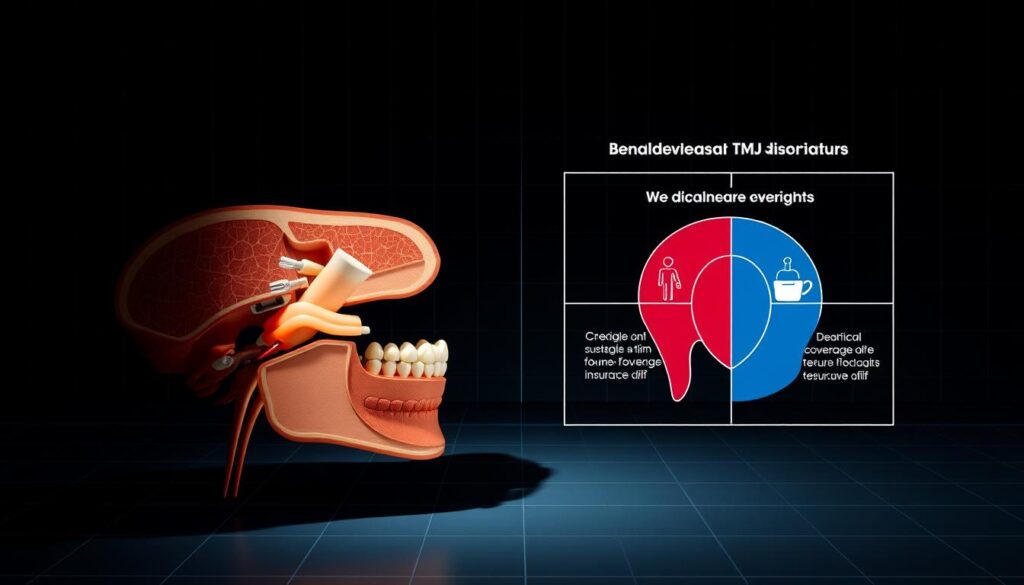
Why TMJ Treatments Often Fall Through Coverage Gaps
Researchers have found that insurance coverage for TMJ often excludes the safest forms of care, steering patients toward riskier options like surgery. According to a national academies study, when TMJ is covered, it tends to exclude “low-risk, effective treatments” used by orofacial pain specialists but covers “higher-risk” options like jaw surgery.
This leads to a situation where patients receive “the care that is best reimbursed, rather than the care that is best,” as noted by the study. The consequences of this coverage gap are significant, with patients often facing limited treatment options due to insurance limitations.
Insurance Coverage Limitations for TMJ Procedures
Several limitations in insurance coverage for TMJ procedures are commonly encountered by patients. These include:
- Lifetime maximums for TMJ treatment, often capped at $1,000-$2,500, despite higher actual costs.
- Limited number of covered TMJ-related visits per year, regardless of medical necessity.
- Coverage of riskier surgical interventions while excluding conservative treatments like physical therapy.
- Pre-authorization requirements and restrictive medical necessity definitions creating barriers to coverage.
- Explicit exclusion clauses for TMJ disorders in some policies, leaving patients without coverage options.
These limitations often result in patients pursuing more invasive treatments that are covered, rather than more appropriate conservative approaches that are not. As the national academies study highlighted, insurance coverage patterns lead to patients receiving “the care that is best reimbursed, rather than the care that is best.”
“The care that is best reimbursed, rather than the care that is best” is a stark reality for many TMJ patients due to insurance coverage limitations.
Payment Options for TMJ Surgery Without Insurance
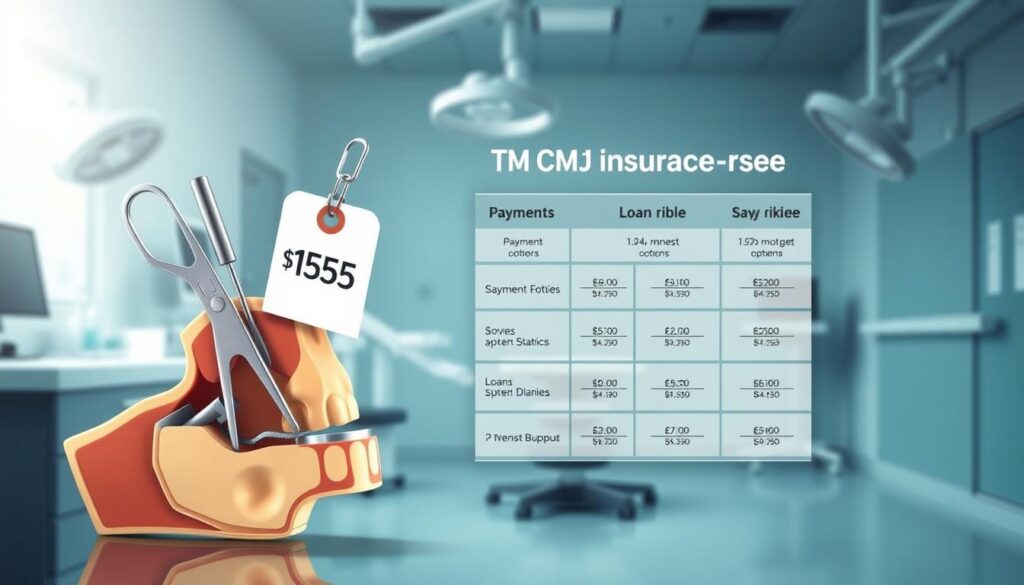
For those without insurance, TMJ surgery costs can be significant, but there are payment plans and financing options to consider. Many dental practices recognize the financial burden of TMJ treatment and offer flexible payment arrangements to help manage expenses.
Medical Financing and Payment Plans
Many healthcare providers offer financing options or payment plans to help patients manage the cost of TMJ surgery. These plans can spread the expenses over several months, making the treatment more affordable.
Healthcare Credit Cards and Loans
Specialized healthcare credit cards and medical loans are available to help finance TMJ surgery. CareCredit is a popular healthcare credit card that offers promotional no-interest periods, typically ranging from 6 to 24 months, for qualifying procedures.
The application process for healthcare financing options is generally straightforward, with some offering instant approval in medical offices. However, it’s essential to understand the interest rates, which can be high after promotional periods, and the credit requirements.
Other financing options include medical loans from companies like Prosper Healthcare Lending or LendingClub, personal loans from traditional banks or online lenders, and home equity loans or lines of credit for homeowners.
It’s crucial to consider the potential impact of medical financing on your credit score and future borrowing capacity. Understanding the full terms before committing to a financing option is vital.
Financial Planning for TMJ Treatment
To manage the expenses associated with TMJ treatment, it’s vital to create a comprehensive financial plan. Understanding the potential costs involved can help you allocate funds appropriately and ensure that you are prepared for any out-of-pocket expenses.
Budgeting for Out-of-Pocket Expenses
When budgeting for TMJ treatment, consider all potential out-of-pocket expenses, including surgical procedures, doctor visits, and prescription medications. Creating a detailed budget can help you manage these costs effectively.
Tax Considerations for Medical Expenses
TMJ treatment expenses may be eligible for tax deductions if they exceed 7.5% of your adjusted gross income. You can use Flexible Spending Accounts (FSAs) or Health Savings Accounts (HSAs) to pay for TMJ treatments with pre-tax dollars, potentially saving 20-37% depending on your tax bracket.
| Account Type | Contribution Limit (2023) | Eligible Expenses |
|---|---|---|
| FSA | $3,050 | TMJ treatments, doctor visits, prescriptions |
| HSA | $3,850 (individual), $7,750 (family) | TMJ treatments, doctor visits, prescriptions |
To maximize tax benefits, consider clustering treatments in a single tax year to exceed the 7.5% AGI threshold. Maintaining detailed records of all TMJ-related costs is crucial for claiming medical expense deductions.
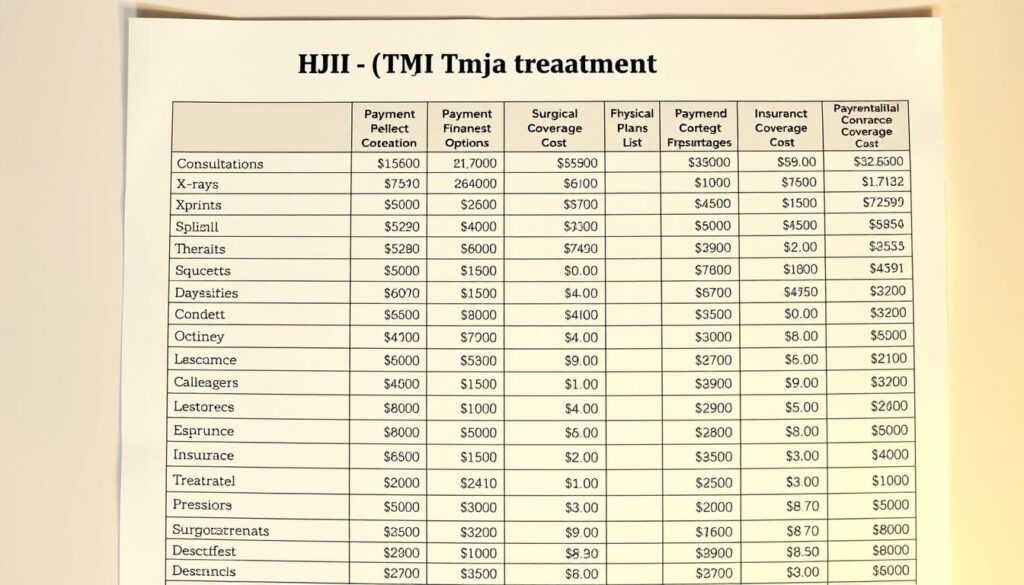
Patient Experiences: Real Costs of TMJ Surgery
For many patients, the cost of TMJ surgery is a complex and multifaceted issue. The financial burden of TMJ disorders can be overwhelming, affecting not just the patient’s wallet but also their overall quality of life.
Case Studies of TMJ Treatment Expenses
Patients like Jonna Tallant describe the financial burden of TMJ treatment as “a bottomless pit” that consumes both savings and quality of life. The costs extend beyond the initial surgery, including ongoing expenses like follow-up appointments, physical therapy, and medication.
Long-Term Financial Impact of TMJ Care
The long-term financial impact of TMJ care can be significant, with patients facing reduced work capacity, lost income, and career limitations. According to Terrie Cowley of the TMJ Association, the financial devastation can be life-altering, with some patients refinancing homes or liquidating retirement accounts to pay for care. The psychological toll of chronic pain and financial stress can create additional healthcare needs, further straining financial resources.
Conclusion: Making Informed Decisions About TMJ Treatment
Navigating TMJ treatment costs without insurance requires careful planning and research. To make informed decisions, consider conservative approaches first, as recommended by the National Institutes of Health. Obtain multiple consultations and cost estimates to ensure competitive prices. Discuss payment options directly with providers and investigate insurance coverage. Create a comprehensive financial plan and connect with TMJ patient advocacy groups for additional resources.
FAQ
What is the average price range for TMJ treatment?
The treatment costs can vary widely, depending on the type of treatment and the severity of your TMJ disorder. On average, you can expect to pay between 0 and ,000 or more for TMJ treatment.
Does health insurance typically cover TMJ procedures?
Insurance coverage for TMJ procedures varies depending on your health insurance provider and policy. Some plans may cover treatment partially or fully, while others may not cover it at all.
What are the factors that influence the costs of TMJ surgery?
The costs of TMJ surgery are influenced by several factors, including the severity of your TMJ disorder, the type of surgical procedure, and the surgeon’s experience and expertise.
Are there any non-surgical treatment options available for TMJ disorders?
Yes, there are several non-surgical treatment options available, including physical therapy, conservative treatment approaches, and pain management through medication.
How can I finance my TMJ treatment if I don’t have insurance?
You can explore medical financing and payment plans, healthcare credit cards, and loans to help manage the expenses associated with TMJ treatment.
What are the long-term financial implications of TMJ care?
The long-term financial implications of TMJ care can be significant, but treatment can help prevent further complications and expenses down the line.